
Jul 16, 2026 · By GoldenForge Team
5 Signs Your Melting Furnace Needs Maintenance
Slower melt times and inconsistent temperatures usually mean something in your furnace needs attention before it causes a failed pour.
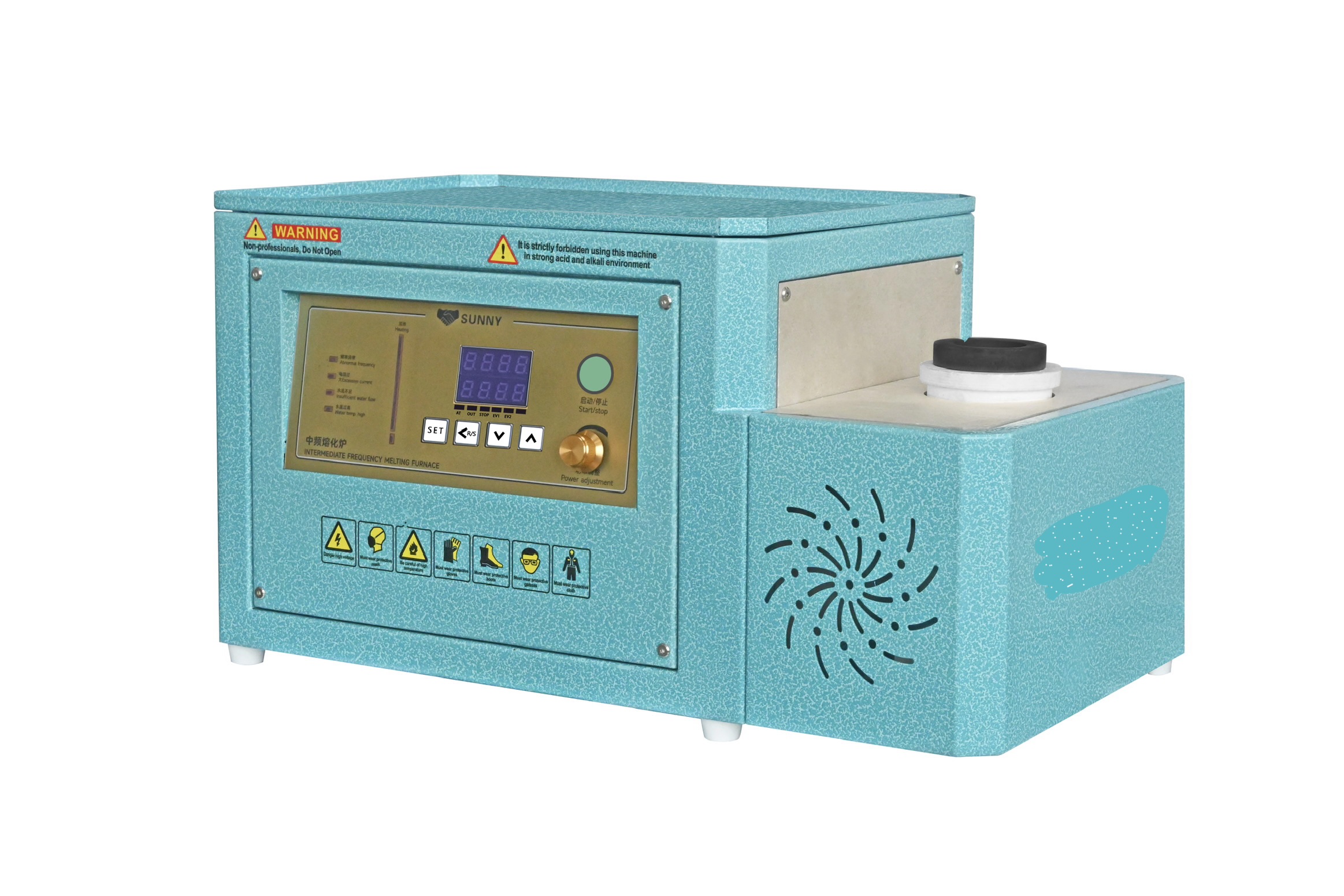
A melting furnace is one of the few machines in a jewelry workshop that runs at full intensity every single cycle — high heat, repeated thermal cycling, and constant contact with flux and metal residue. Catching wear early is cheaper than an emergency replacement mid-production. Here are five signs worth acting on.
1. Melt times are creeping up
If a batch that used to melt in three minutes now takes five, the induction coil, crucible, or insulation is losing efficiency. This is often the first symptom and the easiest to miss because it happens gradually.
2. Temperature readings don't match reality
If your metal isn't flowing the way the display's temperature suggests it should, the thermocouple or sensor may be drifting out of calibration. Casting at the wrong actual temperature is a common cause of porous or brittle castings that otherwise look like a metal-quality problem.
3. Visible crucible wear
Ceramic and graphite crucibles degrade with every heat cycle. Hairline cracks, flaking, or a crucible that's visibly thinner than when it was new all increase the risk of a breach mid-melt — which is a safety issue, not just a production one. Crucibles are a wear part; budget for replacing them on a schedule rather than waiting for failure.
4. Unusual noise or vibration from the cooling system
Water-cooled furnaces depend on steady flow to protect the induction coil. A pump that's starting to strain, or cooling water running warmer than usual, is worth investigating before it leads to overheating damage that's far more expensive to repair.
5. Inconsistent results between operators or times of day
If the same alloy and the same settings produce different results depending on who's running the furnace or what time of day it is, suspect drift in the control system rather than operator error — PID controllers and sensors can degrade slowly enough that nobody notices until output becomes visibly inconsistent.
When to replace instead of repair
If a furnace needs frequent repairs, or if your workshop has simply outgrown its capacity, it's often more cost-effective to upgrade than to keep patching an aging unit. Our melting furnace range covers everything from compact 1kg benchtop units to 10kg production furnaces — talk to us about what fits your current volume.